What Sets a Great Cafe in Monument, CO Apart
A good cafe can serve a decent latte, warm pastry, and a quick smile. A great one does much more than that. It earns a place in people’s routines. It becomes the spot where a contractor grabs coffee before sunrise, where a remote worker settles in for two focused hours, where a retired couple lingers over breakfast, and where a parent knows the staff will not mind a stroller parked by the table. In a town like Monument, that difference matters.
Monument, Colorado sits in a distinct pocket of the Front Range. It carries some of the pace and polish of nearby growth corridors, but it still holds onto the expectations of a smaller community. People notice service. They remember whether the coffee was consistently good. They care if the place feels welcoming rather than performative. A cafe in a major downtown district might survive on novelty or foot traffic alone. A cafe in Monument usually has to earn loyalty the slower, harder way.
That is what makes the conversation interesting. When people search for a Cafe Monument, CO residents will return to again and again, they are rarely asking only about espresso quality. They are asking about the whole experience, whether the place feels grounded, whether the menu reflects real thought, whether the team knows how to handle both the Saturday rush and the quiet Tuesday morning regular. Great cafes understand that every detail speaks.
It starts with a real sense of place
The best cafes in Monument do not feel imported from somewhere else. They fit the rhythms of the town.
That does not mean they need wagon wheels on the wall or a forced rustic theme. It means they understand where they are. Monument sits at elevation, with dramatic weather shifts, strong sunlight, cold mornings for much of the year, and a customer base that often arrives from a mix of neighborhood life, commuting patterns, school schedules, and outdoor recreation. A cafe that ignores those realities usually feels generic within weeks.
You see the difference in practical decisions. Seating matters more when winter drives people indoors for longer visits. Entryways matter when snow, slush, or wind come through the door with every customer. Drink menus matter because not every cold climate market wants the same thing. In some towns, an iced drink can dominate twelve months a year. In Monument, hot coffee still has emotional weight, especially on a dark morning when the temperature hovers near freezing.
A cafe with a strong sense of place also pays attention to timing. Early hours often matter in communities where tradespeople, military families, and commuters are part of the local fabric. Mid-morning can bring parents after school drop-off. Lunch may need to be fast but not flimsy. By late afternoon, a different customer shows up, someone looking for tea, a light bite, or a casual meeting place.
When owners and managers understand those patterns, the cafe feels intuitive. Customers do not have to work to fit into the business. The business fits into their lives.
Coffee quality matters, but consistency matters more
People love to talk about beans, roast profiles, tasting notes, and latte art. Those things are not unimportant. They signal care. But in practice, consistency separates a strong cafe from an average one.
A beautiful cortado served on Tuesday does not mean much if Thursday’s drip coffee tastes flat and Saturday’s cappuccino arrives lukewarm. Most customers are not grading each cup like judges at a competition. They are asking a simpler question: can I trust this place to get it right, every time I come in?
That takes discipline behind the bar. Espresso machines need to be dialed in as temperature and humidity shift. Milk must be steamed to texture, not just heat. Brewed coffee needs proper holding times, because even a well-extracted pot turns stale if it sits too long. Staff training has to go beyond memorizing recipes. The team needs to know what a drink should taste like, what can go wrong, and how to correct it fast.
At elevation, details become even more important. Water chemistry, boiling point, extraction timing, and equipment calibration can all behave differently than they do closer to sea level. Customers may never mention those variables, but they notice the results. If brewed coffee tastes thin or espresso shots swing between sour and bitter, trust erodes quickly.
A great Cafe Monument, CO visitors recommend usually gets the fundamentals right without making a performance out of it. The drink shows up balanced, hot when it should be hot, properly made, and worth the price. That reliability is less flashy than a seasonal special with a clever name, but it is the foundation everything else rests on.
The menu has to show judgment
A weak cafe menu often suffers from one of two problems. It is either too thin to satisfy a range of customers, or too sprawling to execute well. Great cafes sit in the middle. They offer enough variety to meet real needs, but not so much that quality breaks down.
Breakfast is a good example. In a town café setting, many guests want more than a pastry. They may be heading into a long workday or coming in after a morning hike, and they want something with substance. At the same time, a full diner menu can slow service, strain labor, and muddy the identity of the business. The answer is not maximum choice. It is thoughtful choice.
The same is true for pastries and baked goods. Freshness counts more than abundance. A case packed with mediocre items does not impress anyone after the first glance. A smaller selection that rotates, sells through, and tastes as good at 8:00 a.m. As it looked at 6:30 a.m. Creates much more confidence.
There is also a pricing judgment that great operators understand. Customers in Monument, like customers almost everywhere, can tell when a place is charging premium prices for an ordinary product. They may still buy once, but they are less likely to return often. A cafe does not need to be cheap. It does need to feel fair. If a sandwich uses good bread, fresh ingredients, and arrives quickly, people accept a higher price. If the portion is skimpy or the execution careless, the same price feels insulting.
One useful way to think about menu strength is whether it supports different kinds of visits without losing focus:
- a fast coffee run before work
- a sit-down breakfast
- a mid-morning meeting
- a light lunch
- an afternoon reset
If the menu can handle those moments with confidence, the cafe becomes relevant to more of the community.
Hospitality is not theater
Some businesses confuse friendliness with hospitality. They are not the same thing.
Friendliness is easy to fake for thirty seconds at the register. Hospitality runs deeper. It shows up in how the staff reads the room, solves small problems, remembers regulars without being intrusive, and helps new customers feel oriented rather than rushed. It is practical and observant.
A great cafe team knows when to chat and when to move. They can be warm without becoming overfamiliar. They understand that one guest wants conversation while another wants speed and quiet. This matters in a place like Monument, where the customer mix can shift dramatically from hour to hour. A retired regular reading the paper, a parent managing two children, a pair of real estate agents discussing listings, and a remote worker on a deadline all need something slightly different from the same room.
The best staff members make those differences feel easy. They might bring a water unprompted to someone settling in with a laptop. They might suggest the fastest food option to a customer clearly short on time. They might remake a drink without defensiveness if a mistake slips through. None of that requires exaggerated cheer. It requires competence with empathy.
I have seen cafes with excellent coffee lose repeat business because every interaction felt transactional. I have also seen cafes with good, not extraordinary coffee build strong followings because the staff made people feel seen. The strongest businesses deliver both. They know hospitality is not a script. It is a pattern of small choices made hundreds of times a week.
The room itself has to work
Design gets discussed as if it were mostly an aesthetic question. In reality, function decides whether people return.
A cafe can be visually appealing and still fail on the basics. Tables may wobble. Chairs may look stylish but feel punishing after twenty minutes. The music may be just loud enough to interfere with conversation without creating any useful energy. Lighting may be flattering at noon and gloomy by 3:00 p.m. The Wi-Fi may technically exist but not reliably support customers who need it. These things sound minor on paper. In aggregate, they shape whether a space feels effortless or irritating.
Monument customers often want flexibility from a café environment. Some are stopping in for seven minutes. Others want to stay for ninety. A great cafe plans for both. It offers a mix of seating rather than one uniform layout. It considers traffic flow, so the line does not trap seated guests or block the entrance. It makes ordering clear, especially for first-time visitors. It provides enough acoustic balance that a conversation can happen without everyone else hearing every word.
Outdoor seating, when weather allows, can be especially valuable in Colorado. But it only works if it is genuinely usable. A couple of metal chairs baking in full sun do not count as a strong patio strategy. Shade, wind exposure, table stability, and access all matter. So does whether staff can support the space efficiently during busier hours.
Restrooms matter too, perhaps more than owners like to admit. Clean, stocked, and well-maintained restrooms signal discipline across the whole operation. Customers notice. Families notice even more.
Great cafes understand the local social contract
In smaller communities and suburban towns, there is often an unspoken agreement between a business and the people it serves. Customers will support a place that feels local, reliable, and respectful. In return, the business needs to act like it belongs there.
That can show up in many forms. It might mean supporting school events, carrying products from nearby makers when it genuinely fits, or recognizing that community loyalty is built through years of steady performance, not one marketing campaign. It also means understanding local standards of behavior. In Monument, people tend to value sincerity. They can spot branding that tries too hard.
A great cafe does not need to advertise itself as a “community hub” every five minutes. If it truly serves the community well, that identity emerges on its own. You can see it in the regulars greeting one another, in the local group that chooses the back table for its weekly meetup, in the way staff remembers a familiar order during a busy morning rush.
There is a caution here, though. Community-minded does not mean insular. The best cafes welcome newcomers just as naturally as they welcome regulars. Monument continues to grow, and any business that behaves like a private club limits itself. A strong local cafe can feel rooted without feeling closed.
Speed matters, but not at the expense of calm
One of the hardest balances in any cafe is pace. Customers want efficiency, especially in the morning. They also want the room to feel pleasant, not frantic.
A great operation solves this through systems rather than stress. The register flow is clear. The handoff area makes sense. Drinks are sequenced intelligently. Food prep is designed to avoid bottlenecks. Staff roles are defined enough to create speed, but flexible enough to absorb a surprise rush.
The real test usually comes between about 7:00 and 9:00 a.m. On weekdays, and then again on late Saturday mornings. Those are the windows where weak systems become obvious. If the line grows and no one knows who is covering food, who is calling drinks, or who is managing mobile orders, the customer experience collapses quickly. People forgive a short wait when they can see competence. They lose patience when the room feels confused.
The best cafes also know which items they can produce fast without sacrificing quality, and which ones need expectation setting. If a made-to-order breakfast sandwich takes eight or ten minutes during a rush, there is nothing wrong with that. What matters is that the customer knows, and that the product arrives worth waiting for.
Cleanliness is a form of respect
Cleanliness in a cafe is not only a health issue or visual issue. It is a respect issue.
Sticky tables, overflowing trash, dried milk on the counter, smudged pastry cases, and cluttered condiment stations communicate carelessness. They tell the customer, accurately or not, that standards probably slip in less visible areas too. On the other hand, a clean cafe sends the opposite message. It says someone is paying attention.
This is especially important in a town where repeat business drives success. A traveler passing through might overlook a messy dining room once. A local regular will not. They are comparing every visit to the standard the business set before.
High-performing cafes build cleaning into the rhythm of the shift rather than treating it as a separate task to tackle only when the room empties. They wipe, reset, restock, and inspect continuously. The room never reaches that tipping point where it feels abandoned for half an hour. Customers may not consciously praise that discipline, but they respond to it by staying longer and coming back sooner.
The food has to justify its role
Food can elevate a cafe or drag it down. There is rarely much middle ground.
If the food is an afterthought, customers sense it immediately. They get a dry muffin, a bland sandwich, or a microwaved item dressed up with a premium price. At that point, the cafe stops being a destination and becomes merely a coffee stop. There is nothing inherently wrong with a coffee-first model, but many cafes in communities like Monument need more than that to build broad loyalty.
Strong cafe food does not require a massive kitchen or elaborate plating. It requires intention. Bread should have texture. Eggs should be cooked properly. Ingredients should taste fresh. Portions should match the moment, enough for satisfaction without Cafe Monument, CO the heaviness of a full diner meal. A simple burrito, breakfast sandwich, soup, or toast can be excellent if the components are chosen well and executed consistently.
There is also a practical point: food affects ticket size and visit frequency. Someone may come in for coffee three times a week, but if the breakfast and lunch options are genuinely appealing, that same person may bring a colleague, stay longer, or choose the cafe for a casual meeting. The economics improve when the menu invites more than one kind of transaction.
Regulars build the business, first-timers test it
A truly great cafe succeeds on both fronts. It has enough charm and quality to make a strong first impression, but enough operational depth to keep winning the same customer over time.
First-timers often notice the obvious things. Is the coffee good? Does the space look appealing? Was the service pleasant? Regulars pay attention to subtler signals. Are standards slipping? Is staffing stable? Does the pastry quality hold up? Has the room become noisier, dirtier, slower, or less welcoming? Businesses usually lose loyalty gradually, through small declines repeated often.
That is why consistency is such a central theme. Great cafes resist the temptation to chase every trend if doing so weakens execution. They know the business is built on habits. A person who trusts a cafe twice a week for a year is worth more than a burst of one-time interest generated by a flashy special or seasonal gimmick.
Owners who understand this think long term. They invest in staff retention. They maintain equipment before it fails. They review the menu with honesty. They watch the room. They listen to customer patterns rather than just customer comments. Often, what people do tells you more than what they say.
Small touches that separate strong cafés from forgettable ones
The gap between good and great is often measured in details that seem modest on their own.
- water offered without being asked
- sleeves and lids stocked where they should be
- pastries labeled clearly for dietary needs
- background music that supports the room instead of dominating it
- staff able to explain menu items without sounding memorized
These are not glamorous advantages. They are operational signs of respect and maturity. They reduce friction. They help guests relax. They make the cafe feel run by people who understand the customer experience from the inside out.
I have watched owners spend heavily on branding, furniture, and social media, then neglect these quieter details. It rarely works for long. Customers may try a stylish place once because it photographs well. They return because it feels easy to be there.
Why all of this matters more in Monument than people assume
A market like Monument can be deceptively challenging. On the surface, it might seem simpler than operating in Denver or Colorado Springs. In reality, smaller and mid-sized communities often demand more precision. Word travels quickly. Expectations are specific. Customers are loyal when a place earns it, but they have alternatives, including chains, bakeries, diners, and home routines.
That makes authenticity and execution especially important. A cafe cannot rely on density alone. It needs repeat guests across seasons, weather shifts, school calendars, and economic moods. It needs to be good enough for daily life, not just special enough for an occasional treat.
When people talk about a memorable Cafe Monument, CO has to offer, they are usually describing a place that has solved for both comfort and competence. The coffee is right. The food is dependable. The room feels useful and pleasant. The staff is capable. The business seems rooted in the town rather than staged for it.
That is what sets a great cafe apart. Not one dramatic feature, but a chain of smart decisions carried out consistently. A hundred small acts of care. A clear understanding that in a community like Monument, people are not just buying coffee. They are deciding where to spend part of their day, where to meet, where to pause, and which local places deserve a permanent place in their lives.
The cafes that understand that rarely need to tell people they are special. The town tells them instead.
Bennies Cafe
17230 Jackson Creek Pkwy Ste 100, Monument, CO 80132
+1 719-445-0660
FAQ About Cafe Monument, CO
What is considered a café?
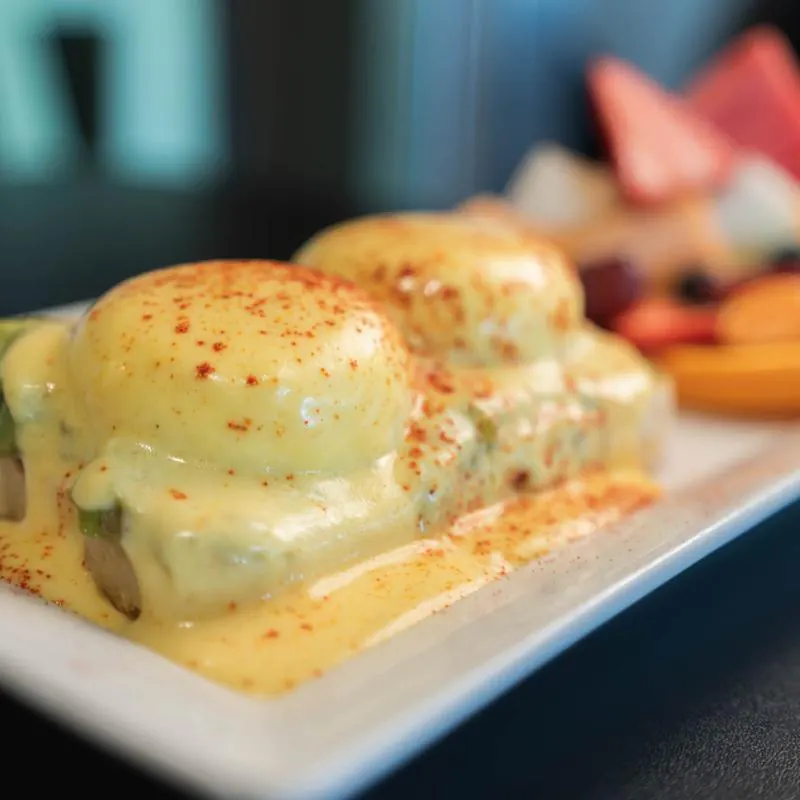
A café is generally an informal place to enjoy refreshments and a meal. Bennies Cafe in Monument serves breakfast and lunch in a counter-service setting, with options including eggs Benedict, sandwiches and crepes. Guests can eat in or arrange pickup.
What is the difference between a coffee shop and a café?
The terms often overlap. A coffee shop usually emphasizes coffee and other drinks, while a café may offer a broader food menu. Check the individual establishment's menu rather than relying on its name. Bennies Cafe offers coffee drinks alongside breakfast and lunch dishes.
What is the difference between café and coffee?
In everyday English, a café is a place where people buy food and drinks, while coffee is the beverage. The word café comes from the French word for coffee. Bennies Cafe serves options such as brewed coffee, espresso and lattes as part of its drinks menu.